About Background Statistics Key Facts Solutions References Contact
Baguio City, Philippines

Smart Waste for
a Better
Tomorrow

Turning urban waste into community wealth through circular innovation and sustainable infrastructure.

Scroll
Waste management Recycling
3R Reduce · Reuse · Recycle

A Zero-Waste Vision
for Baguio City

We are a community-driven initiative committed to transforming how Baguio City handles its waste — moving from a crisis of accumulation to a model of circular innovation and community empowerment.

🎯

Our Mission

To implement an integrated waste system that empowers every resident and barangay. We aim to transform garbage from an "economical distress" into a community-based resource through active participation in the 3Rs: Reduce, Reuse, and Recycle.

🌱

Our Vision

A resilient, zero-waste metropolitan city where a circular economy thrives. We envision a future where urban systems dispense with the very idea of "waste," integrating ecological health into the city’s essential infrastructure.
Background &
Social Cause

"Despite its reputation for cleanliness, Baguio faces a growing waste crisis rooted in social, infrastructural, and behavioral challenges."

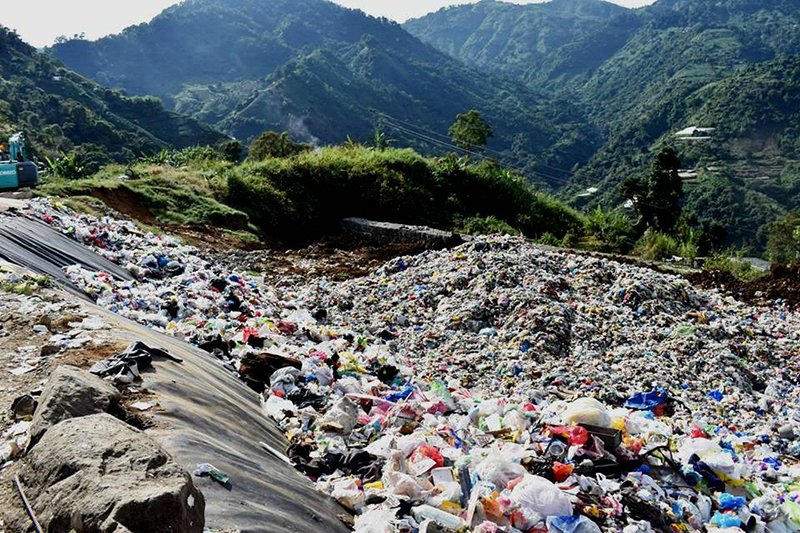
One major issue is the lack of long-term waste management planning, which has caused its only sanitary landfill in neighboring provinces, such as Pangasinan, to reach or approach its capacity (Agoot, 2025). This dependence on transporting waste to other provinces highlights a serious infrastructural challenge for the city.

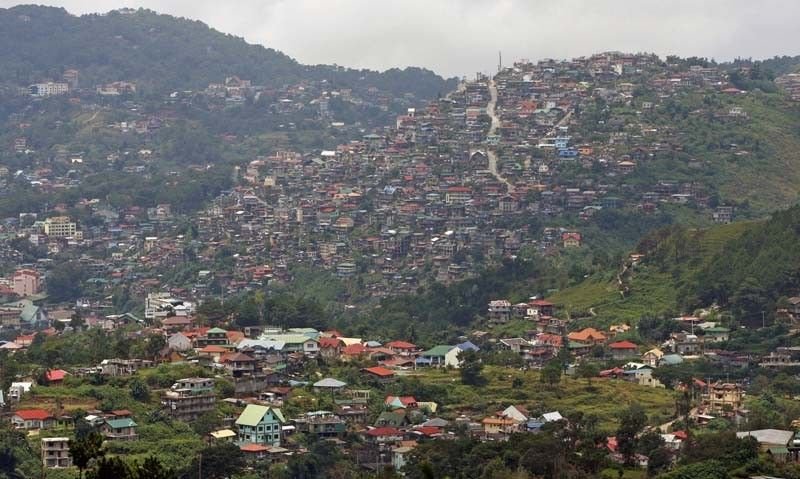
Solid waste management problems are not only environmental — they are deeply influenced by social factors. Population growth, tourism surges, and shifting lifestyle patterns all contribute to the mounting challenge.

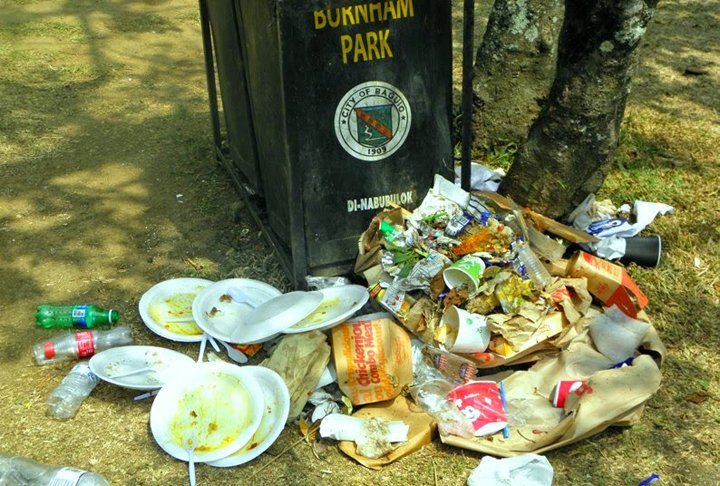
When collection systems cannot keep pace, trash accumulates in streets, waterways, and vacant lots — compounding environmental degradation and public health risk across entire communities.

Sanitary Landfill Almost Full Overpopulated Overflowing Trash Bins

The Scale of
Baguio's Waste

Every figure below represents real environmental pressure on a city that deserves better. Data-backed urgency is what drives our approach.

0
Tons / Day
Daily Waste Produced
₱225M
Annual Cost
Annual Management Cost
35–40%
Biodegradable
Of total daily waste
25–30%
Recyclable Potential
Of total daily waste
30–35%
Residual
Of total daily waste

Critical Challenges
We Must Address

Four compounding problems that define Baguio's waste management crisis — and why urgent, technology-driven intervention is the only path forward.

Baguio tourism peak season crowds 🏔️ Tourism & Waste

Peak Season Surge

Tourism significantly increases waste generation, putting extreme pressure on collection logistics during peak months when visitors flood the city's streets and parks.

Recycling gap plastic waste ♻️ Recycling Gap

The Recycling Gap

Currently, only 18% of total waste is successfully recycled. The remaining 82% is hauled to distant landfills or improperly discarded in waterways and open lots.

Plastic pollution in waterways 💧 Water Pollution

Waterway Contamination

Unmanaged plastic pollution is actively leaking into local waterways, threatening the regional ecosystem and public health of surrounding communities.

Landfill reaching full capacity ⏳ Critical Capacity

Critical Capacity

The regional landfill is projected to reach total capacity in just 12 years. Without immediate action, Baguio will face an unprecedented solid waste emergency.

Technology Meets
Sustainability

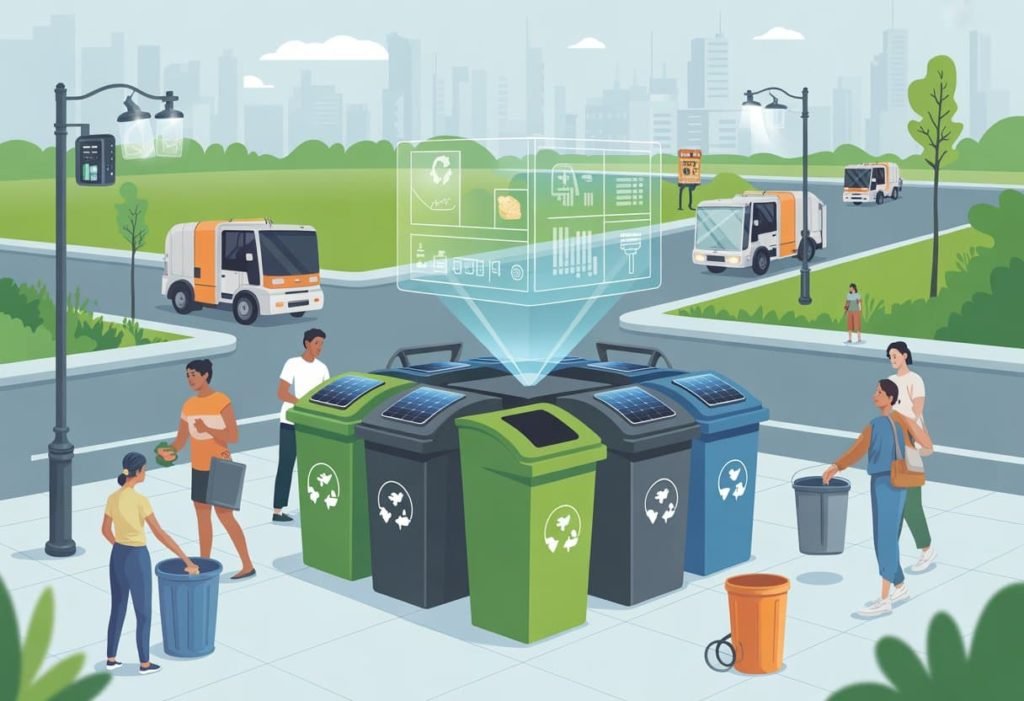
Implementing and investing early in technological machinery opens the gate to our brighter future! One of the main solutions to solving the city's waste management crisis is by applying the use of technology. Despite being controversially renowned as a "non-eco friendly" material– when used correctly, it can actually solve our waste management problems (Dey, 2023), switching from traditional, inefficient approaches to productive and data-driven solutions that support a circular economy.

Here are some of the few innovative technologies that can solve the city’s main problem:

Solar Compactor
⚡ Smart Infrastructure

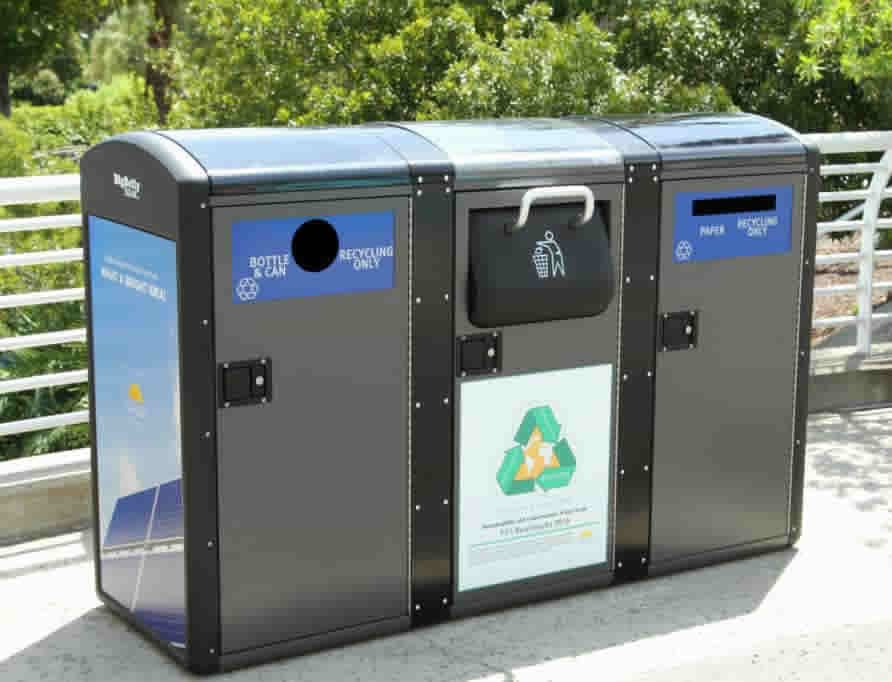
Smart Solar-Powered Trash Compactor

This approach involves assessing solar-powered garbage cans in popular tourist or any public areas. These smart bins have sensors built in to determine how full they are. When a certain amount of trash is accumulated. Waste is squashed by a mechanism inside to expand the bin's capacity. The sensor alerts waste management staff when the bin is full and cannot be compressed any longer, allowing it to be swiftly emptied (Shettar et al, 2021). This maintains tourist areas clean, avoids overflowing rubbish, and minimizes the regularity of collections. Additionally, it minimizes greenhouse gas emissions by up to 80–90% (Wärenhed, 2023) by using these on-site garbage cans, which can carry five to eight times more waste than typical bins.

Engineering IoT Sensors Solar Power GHG Reduction
Reverse Vending Machine
♻️ Circular Economy

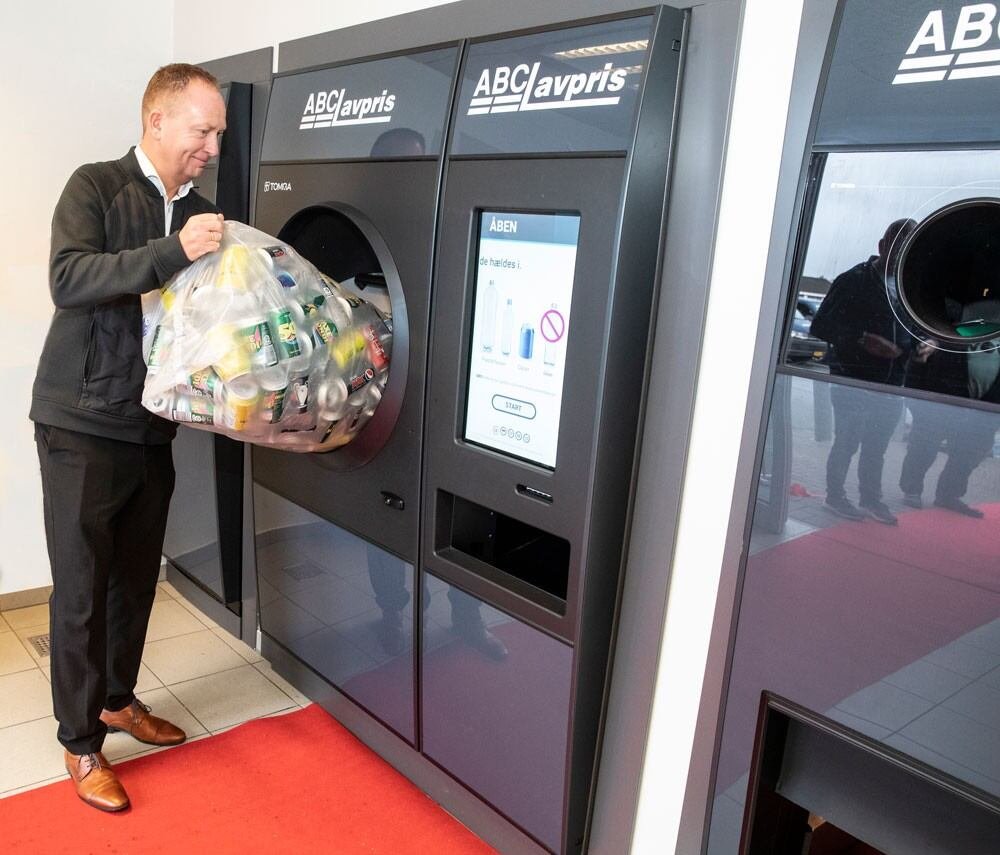
Reverse Vending Machines

This solution is a reward-based scheme developed in partnership with schools and local retailers. According to Xin (2013), the goal is to encourage consumers, particularly students, to return empty beverage containers (such as plastic bottles or cups) rather than discarding them. In exchange for this, they will receive money. The amount of money varies on the size and the specific weight of the trash. This promotes recycling and reuse while cultivating an awareness of environmental responsibility. Encouraging a circular economy by efficiently and financially collecting used beverage containers guarantees better recycling and keeps solid wastes such as metal and plastic out of landfills and polluting the ocean.

Mech. Engineering Behavior Design Incentive Systems

How Can
You Help?

Every resident has a role to play. Small, consistent actions multiply into city-wide transformation.

  • 🗑️
    Segregate waste at source before collection
  • 🤝
    Support local barangay recycling programs
  • 📢
    Advocate for technology-driven waste solutions

Built on Evidence

Our strategy is backed by data from local government units, academic research, and global environmental organizations.

Agoot, L. (2025)
Baguio's garbage down as residents practice proper waste mgmt.
Philippine News Agency
View Article
Baguio GSO (2025)
Calls for Waste Reduction: "Basura Mo, Bawasan Mo!"
Baguio Public Information Office
Official News
PATA (2024)
Plastic Waste and Pollution in Asia Pacific Tourism
Pacific Asia Travel Association
Tourism Study
Shettar, A., et al. (2021)
Solar Powered Automatic IoT Based Garbage Compactor
KSCST Engineering Research
Technical Paper
Dey, S. (2023)
4 Smart Waste Management Solutions Revolutionising the Industry
Earth.org
Innovation Insights
UN Environment Programme (2022)
Solid Waste Management: Resource Efficiency
UNEP — United Nations
Global Standards